
Key takeaways
- Blood pressure has two numbers, and either one can be too high.
- Consistent positioning and a properly fitting cuff help make home readings useful.
- A validated upper-arm monitor is generally preferred over a wrist monitor.
- Everyday habits support blood-pressure care but do not replace prescribed treatment.
- Vitamin E is not a blood-pressure medicine; discuss supplements with a licensed clinician.
What do your blood-pressure numbers mean?
Blood pressure is the force of blood pushing against artery walls. The top number, systolic pressure, measures that force when your heart beats. The bottom number, diastolic pressure, measures it between beats. Readings are written as two numbers, such as 118/76, and measured in millimeters of mercury, or mm Hg.
Under American Heart Association categories for adults, readings fall into these groups:
- Normal: systolic below 120 and diastolic below 80.
- Elevated: systolic 120–129 and diastolic below 80.
- Stage 1 hypertension: systolic 130–139 or diastolic 80–89.
- Stage 2 hypertension: systolic 140 or higher, or diastolic 90 or higher.
If the numbers fall into different categories, the higher category applies. However, one reading usually does not establish a diagnosis. Stress, recent activity, caffeine, and measurement technique can affect the result.
High blood pressure often has no noticeable symptoms, so feeling well does not tell you whether your pressure is healthy. A licensed clinician can review repeated readings, your health history, and your overall cardiovascular risk. These categories are a starting point, not a personalized treatment target; pregnancy, childhood, and some medical conditions require different assessment.
How can you get a more accurate home reading?
Preparation matters as much as the device. For at least 30 minutes before measuring, avoid smoking, caffeine, and exercise. Empty your bladder, then sit quietly for at least five minutes. Choose a calm place where you can measure without talking, texting, or rushing.
- Sit with your back supported and both feet flat on the floor.
- Keep your legs uncrossed and place the cuff on bare skin.
- Support your arm so the measuring cuff is at heart level.
- Follow the device instructions for cuff placement and fit.
- Take two readings at least one minute apart and record both.
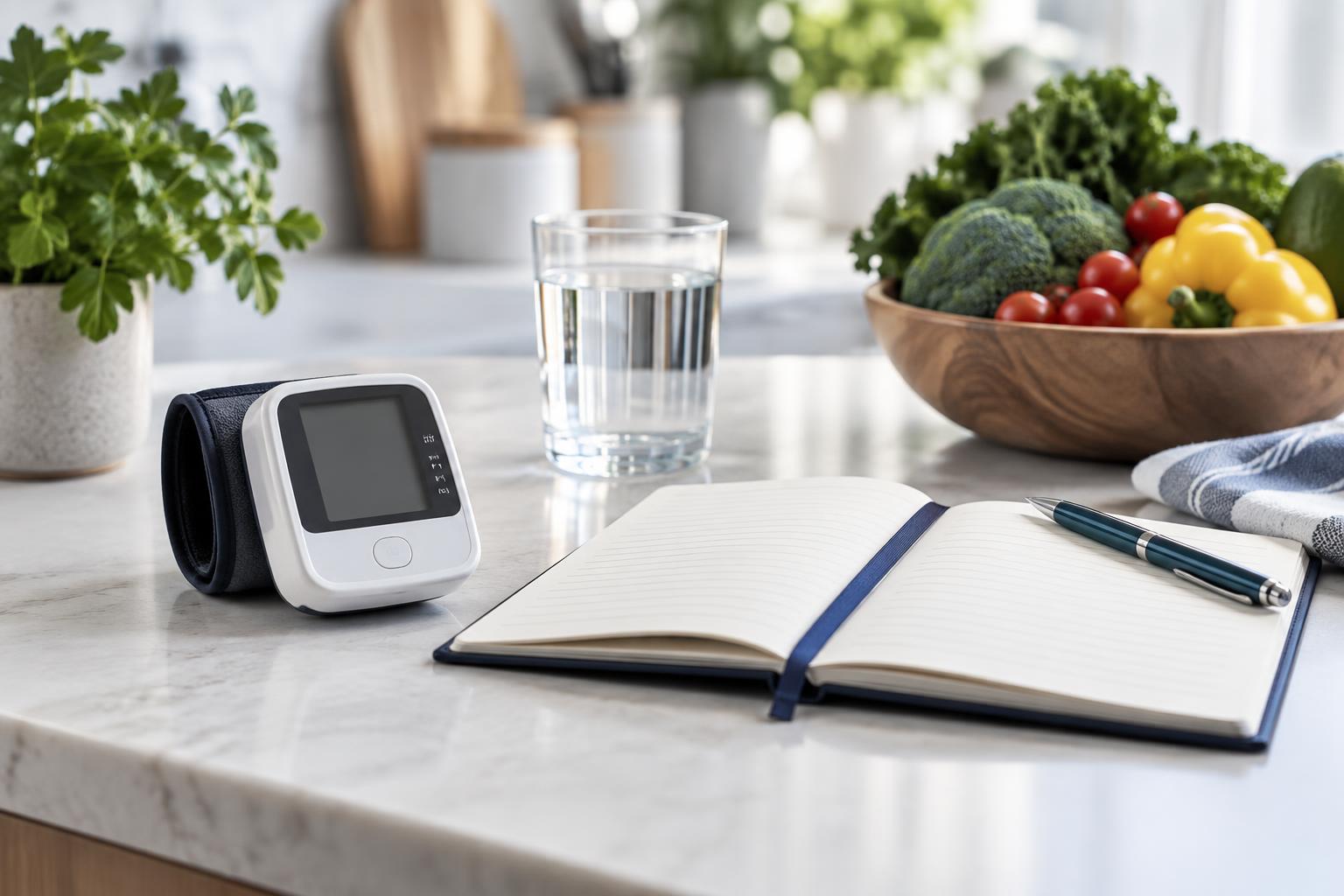
With a wrist device, heart-level positioning is especially important. Letting your wrist rest in your lap can distort the result. Support your arm and wrist as the manufacturer directs rather than holding them up with muscle tension.
A validated automatic upper-arm monitor with the right cuff size is generally the preferred home option. Wrist monitors are more sensitive to positioning, so discuss whether one suits your needs. Bring your device to a clinical appointment to review your technique and compare readings with office equipment. Do not assume that a device is clinically validated simply because it is automatic.
What should you record, and when should you get help?
A useful blood-pressure log shows patterns rather than just your highest or lowest result. Record the date, time, both readings, and relevant details, such as symptoms or a missed medicine dose. Measure at consistent times according to your clinician’s plan; morning and evening checks are commonly used when establishing a baseline.
Avoid repeatedly checking every few minutes because you feel worried. Instead, use the agreed schedule and share the complete record. Do not change your medicine dose based on a single home reading unless your clinician has given you specific instructions.
If a reading is around 180 systolic or 120 diastolic or higher, take it seriously. If you have no concerning symptoms, wait at least one minute and measure again. If it remains this high, contact a clinician immediately for direction rather than waiting for a routine appointment.
If a very high reading comes with chest pain, shortness of breath, weakness, numbness, vision changes, or trouble speaking, call 911 in the US or your local emergency number. Do not wait for another reading. Possible heart attack or stroke symptoms need emergency care even without a high reading. Pregnancy requires different urgent-care thresholds; follow your maternity team’s instructions.
| Product | Listed details | Role | Key consideration | Price from |
|---|---|---|---|---|
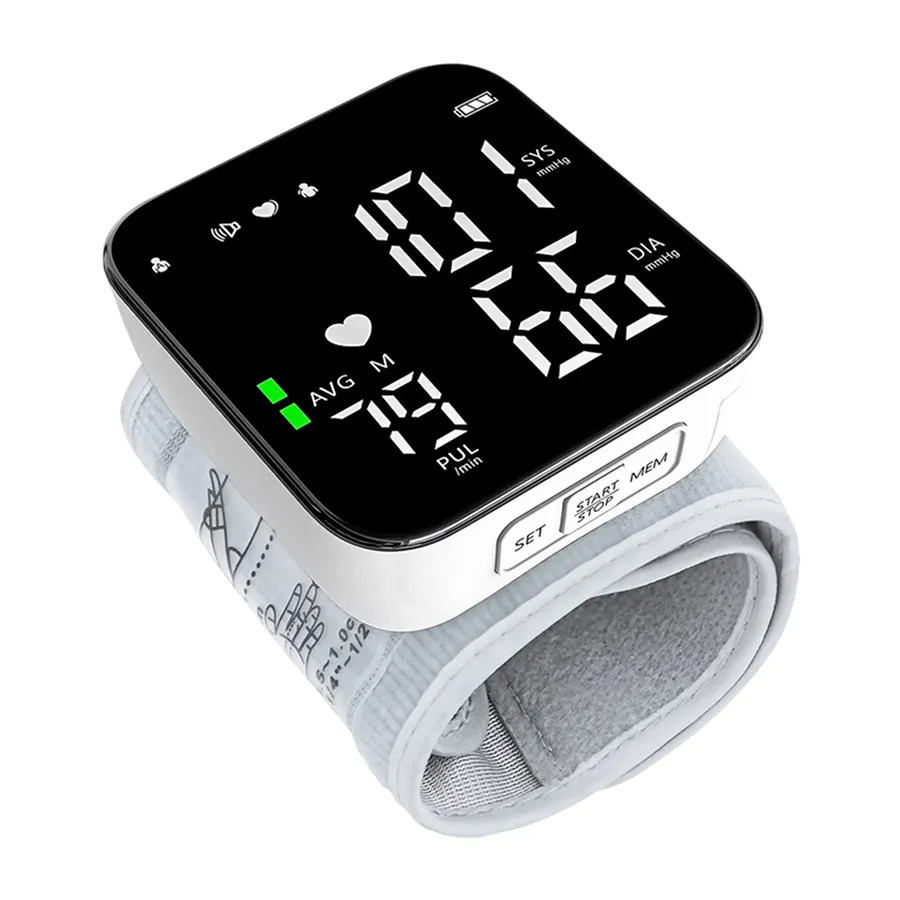
| Automatic Wrist Blood Pressure Monitor | Automatic wrist monitor | Checking blood-pressure readings at home | Check fit and positioning instructions; independent validation is not established by the supplied details. | $29.99 |
| Amazon Elements Vitamin E 400 IU, 100 Softgels | Vitamin E 400 IU; 100 softgels | Vitamin supplementation if appropriate | Not a blood-pressure medicine; review bleeding risk and interactions with a clinician. | $39.99 |
Which everyday habits support healthier blood pressure?
Small changes are easier to maintain when they fit your routine. Start with one or two realistic goals rather than trying to overhaul everything at once. Lifestyle changes can support blood-pressure management, but some people also need prescription treatment.
- Build meals around a DASH-style pattern. Emphasize vegetables, fruit, whole grains, beans, nuts, and low-fat dairy if tolerated. Choose less processed food more often.
- Watch sodium. Compare nutrition labels, especially on soups, sauces, deli meats, frozen meals, and restaurant food. General US guidance recommends less than 2,300 mg daily; your clinician may recommend a lower target.
- Move regularly. Most adults should work toward at least 150 minutes of moderate activity weekly, such as brisk walking. Start gradually and ask about restrictions if you have symptoms or medical conditions.
- Prioritize sleep and limit alcohol. Keep a consistent sleep schedule and seek advice for loud snoring or daytime sleepiness. If you do not drink alcohol, do not start for health reasons.
Avoid tobacco, and ask for support if you want to quit. If weight loss is appropriate for you, discuss a sustainable plan without crash dieting. Before using potassium supplements or potassium-based salt substitutes, check with a clinician: kidney disease and certain blood-pressure medicines can make extra potassium unsafe.
How do medicines and clinical follow-up fit in?
Blood-pressure treatment is personalized. A licensed clinician considers your average readings, age, other health conditions, and risk of heart attack or stroke before recommending a plan. That plan may include lifestyle changes, medication, or both. Some people need more than one medicine to reach their individual target.
Take prescribed medicine as directed, even when you feel fine. A normal reading while taking treatment may mean the treatment is working, not that it is no longer needed. Do not stop, double, or otherwise change a dose without guidance. If you miss a dose, follow the medicine’s instructions or ask a pharmacist rather than guessing.
Tell your care team about dizziness, swelling, faintness, or other possible side effects. They may adjust your plan, check blood tests, or review when you take your medicines. Bring your home log and device to follow-up visits.
Also share everything else you take, including over-the-counter medicines and supplements. Some decongestants and nonsteroidal anti-inflammatory pain relievers, such as ibuprofen, can raise blood pressure or complicate treatment. A pharmacist or clinician can help you choose suitable options. Neither a home monitor nor a dietary supplement replaces this ongoing care.
What should you know about the featured wrist monitor?
The Automatic Wrist Blood Pressure Monitor is listed from $29.99. It is an automatic wrist blood-pressure monitor intended for checking readings. Review the product instructions for proper fit and positioning before use, and confirm the current listing details before purchasing.
The supplied product information does not establish whether this model has independent clinical validation or specify its wrist-size range. Those details matter. Ask your clinician whether a wrist monitor is suitable for you, and check the manufacturer’s documentation before relying on a particular device for treatment decisions.
- Confirm that your wrist measurement falls within the device’s stated fit range.
- Check that you can consistently position the cuff at heart level.
- Ask your care team to observe your technique and compare readings.
- Keep a written log if the device’s recording features do not meet your needs.
You can explore this item in the Blood Pressure collection. Shop by suitability rather than convenience alone: a compact device is useful only when you can use it correctly. Home monitoring supports conversations with your clinician; it does not diagnose hypertension on its own or determine which treatment you need.
Why is vitamin E not a blood-pressure treatment?
The Amazon Elements Vitamin E 400 IU, 100 Softgels is listed from $39.99. The listing describes vitamin E 400 IU softgels in a 100-count product. It is not a blood-pressure medicine, and its presence in this collection does not mean it treats hypertension.
Vitamin E is an essential nutrient, but taking a supplement is different from treating high blood pressure. Do not use this product instead of prescribed medication, monitoring, or clinical follow-up. The amount in the product name is a listed potency, not a personalized recommendation to take it.
Vitamin E supplements can increase bleeding risk, particularly when combined with anticoagulant or antiplatelet medicines. Tell your clinician or pharmacist if you take a blood thinner, aspirin, or other supplements, or if you have surgery planned. Do not stop a prescribed medicine to make room for a supplement.
Before buying, ask what nutritional need the supplement would address and whether food sources could meet that need. Read the full label for ingredients, directions, and warnings, since those details are not supplied here. A licensed clinician can help you decide whether vitamin E is appropriate for your situation and review potential interactions.
Products mentioned

Frequently asked questions
Keep reading

Fast Acting ED Pills: Timing, Safety, and What to Expect
Fast-acting ED treatments promise convenience, but timing varies. Learn how they work, what the listings actually tell you, and how to use treatment safely.
Read article
Bandages Category Guide: Choose, Store, and Shop Safely
The Bandages category includes honey, prenatal vitamins, and a heart-rate monitor. Learn how to check each listing, store purchases correctly, and order online safely.
Read article
What to Expect When You Order Medication Online
From checkout to doorstep: timelines, packaging, customs and what happens to your personal information afterwards.
Read article